The Riding Duet
Trust, The Definition of a Duet!
Ujjwal Bhardwaj
12/30/20252 min read
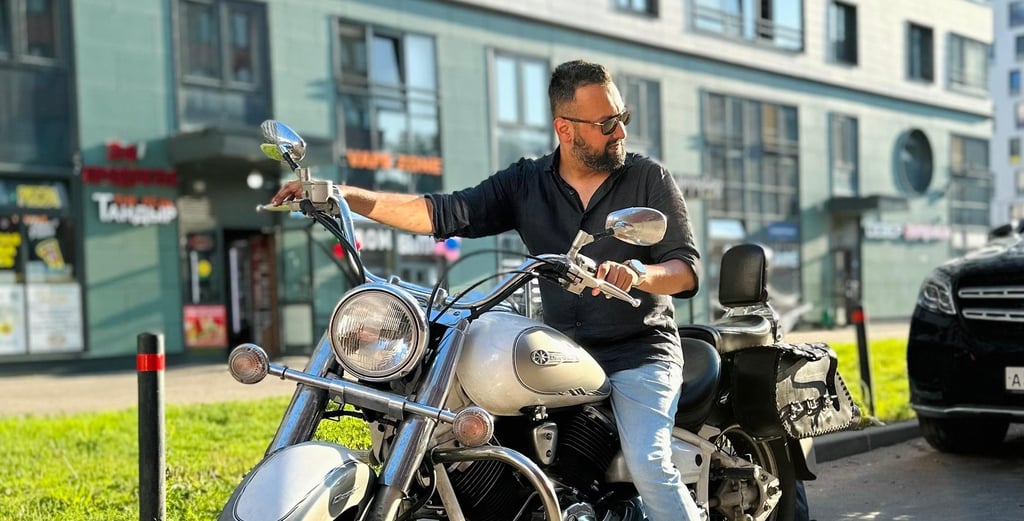
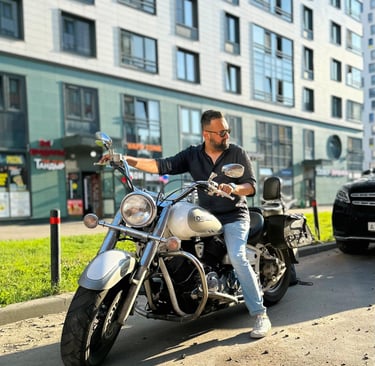
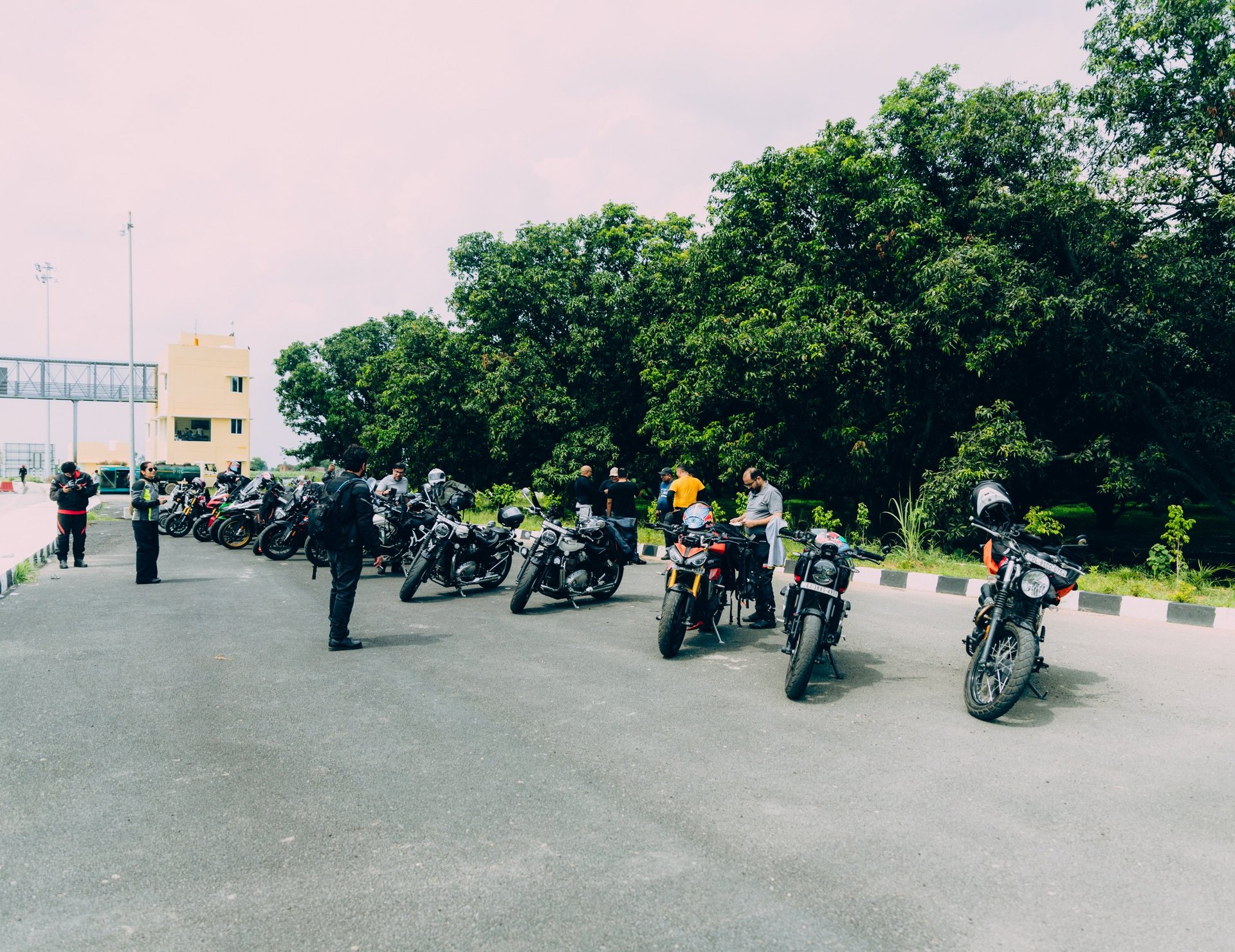
Few days ago, my friend and I were schmoozing about how we are comfortable riding together. He rides a screamer of a Ducati SF V2, I ride a sedate Africa Twin. Different bikes, different riding styles and still just a seamless flow of 2 motorcycles fitting in like musical notes of an orchestra piece written by a maestro.
Rewind to nearly a decade ago…I had been sitting with my closest friend one day, with a copious amount of ‘holy spirits’ blessing us, when our conversation had drifted into a familiar question:
Why were we so comfortable riding together?
On paper, it made no sense.
He rode a souped-up Thunderbird. I rode a not-so-souped-up Electra.
He took lines through the twisties that I couldn’t. I took lines he preferred not to follow.
He believed in entering corners slow and exiting fast. I almost always carried more speed on entry.
At night, he needed a tail-lamp to follow because of his astigmatism—and that tail-lamp had to be me. And by now, you’d already heard the story of the twisties. So imagine what happened when twisties and night rides came together.
Too many jarring notes for what was supposed to be a sweet riding song, right?
Wrong.
We had ridden together so many times that we had lost count—and lost track of which memory belonged to which ride. What we knew for sure was this: we enjoyed riding the most when we were together. Nailing corner after corner. Cutting past endless streams of cars, bikes, trucks, buses, horses, mules—basically everything Indian roads could throw at us.
Sometimes we rode with a broken clutch cable.
Sometimes with a pillion on board.
Always on the twisties.
And somehow, it always worked.
The question was—why? How?
The answer had been simple: trust.
He knew exactly where I would be if I was riding behind him.
I knew the precise moment he would crack open the throttle to make an overtake.
There was a silent, non-communicative coordination between us—something that didn’t need hand signals or honks or helmet intercoms. We just knew. We thought together.
There were moments when I would glance at my rear-view mirror, thinking that I needed him beside me to say something—and in the very next moment, he would already be there. We always knew what the other would do in a given situation.
What I had noticed over time was that riders who truly understood each other’s riding styles often shared the same understanding off the saddle. Or maybe it worked the other way around.
Either way, whatever it was — it worked for us.
And on those rides, nothing else mattered but the road, the rhythm, and the unspoken bond between two machines moving as one.